Make Them Want You Back: Kevin Chokan on How to Keep a Gig (Episode 67)
Low maintenance / no drama.
Kevin Chokan is funky, experienced, and has made a living as a career musician in the belly of it all: Los Angeles. He was discovered by George Duke in a recording studio when he was only 22, and that was just one piece of what made him the in demand guitarist he is today.
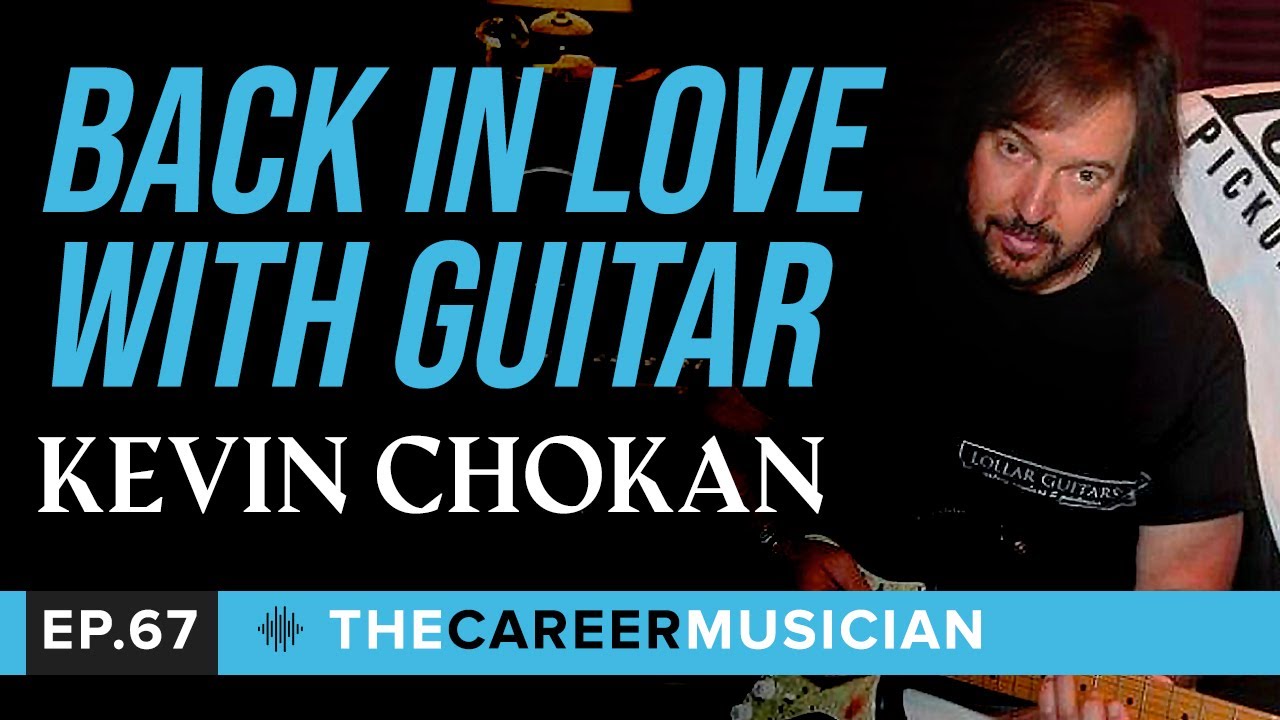
In Episode 67 of The Career Musician, recorded at Kevin's home studio, Nomad and his fellow "funketeer" talk about how to keep a gig for decades, what makes a great session player, and how to lead a band as music director. If you want to know how to keep a gig, this is the episode. Here is what stood out.
Learned on records and in the clubs
Kevin was taking guitar lessons in Sacramento at six and a half when The Beatles came on Ed Sullivan. That was it. He learned by moving the needle on records, first George Harrison's rhythm parts, then James Brown and Earth, Wind & Fire, figuring out which of the two guitar players played which part, and how they got that sound.
By 14 he was the kid with the wah pedal in an R&B and funk band of older players, working clubs five or six nights a week. They looked out for him. His dad's only rule: if I have to kick you out of bed for school, this is over. In high school he added stage band, theory and music history.
Nomad's point: that is real, in the field school, learned from older players who were really good. You can learn almost anything on YouTube now, but you lose the human element of being an understudy.
The night George Duke came downstairs
Kevin moved to LA around 1983 and slept on his brother's couch. A friend who was working with George Duke invited him to play on some demos in the studio under George's house. Kevin sat there daydreaming that George would come down and hear them. Half an hour later, he did. At the end of the night, George asked for his number because he wanted to use him on sessions.
That turned into almost ten years of work, including trips to Japan two or three times a year. It also led to other artists, including years with Philip Bailey on his solo work.
Then a keyboard player friend put his name in for a Diana Ross audition. They had already heard 29 guitar players, some of the best in town. Kevin was number 30, with a Fender Twin, a Strat and two pedals. One chart just said play skanky rhythm. He knew exactly what that meant. They had planned to play only part of each chart. He played them all the way through. A couple days later: you got the gig, nine month world tour. Kevin says he stayed with her for 23 years, the last 18 or so as music director, and he has been with Jeffrey Osborne for about 23 years too.
Learn how to carry yourself
How do you keep a gig that long? Kevin's first answer came from his father.
"If you do anything, learn how to carry yourself, and carry yourself well."
Kevin Chokan, 24:44
Those tours were a machine: 40 or more people, several buses and trucks, living together for weeks at a time. Playing is a given. Beyond that, you have to fit into the landscape. He watched people grumble about how some player got the gig, then spent time on the road with that player and understood: he was a pleasure to be around.
Kevin stayed grateful. When he told his dad his weekly pay, his dad pointed out that it was like a six month salary for some people, earned playing guitar. So don't listen to the complainers. Nomad added his own dad's version: somebody is out there digging a ditch. Keep gratitude at the top of your mind and the grumbling goes away.
"If you have to leave, make them want you back."
Kevin Chokan, 32:29
When Diana had downtime, he toured with others. When Diana called, Jeffrey let him go, and his chair was always waiting when he got back. Be a team player. That is Low maintenance / no drama, and it is how you keep the gig.
Play the part, not your chops
In the 80s and most of the 90s, Kevin was a session rat. At first it was nerve wracking: will they call me back, will they replace my track? His father's advice helped again: pay attention to how the room operates. Don't play too much. Play what they are looking for.
He learned that making records is very different from being a great guitar player. He picked the brain of the late session guitarist David Williams, who described his job as giving the artist the tone he was hearing in his head. And he watched Dean Parks build part after part from a melody over five hours, giving the producer options to choose from.
"It's better to have and not need than need and not have."
Kevin Chokan, 50:35
His habit with George Duke: when George said "we'll keep that," Kevin would ask to do one more just for laughs, sneaking in another option. Nomad called that the anatomy of a studio player: you are there to facilitate the producer and the artist, and sometimes the part that matters is buried so deep you'd only notice when it is gone. Reliability beats virtuosity.
Leading as music director
As MD, Kevin learned you are the middleman for the artist. Even with great players in the band, if nobody says anything, it gets messier than it needs to be. Tell them what needs to happen, even if they think their way is better. If a part from the record feels beneath someone, so be it. That's what the artist wants, and when the artist is happy, it trickles down to everyone.
For personality conflicts, start with a one on one chat, then get both people together. It is not hard to get musicians to shake hands. You just have to communicate.
Respond fast, show up early
For business, Kevin and Nomad agree: email, text and phone, not social media DMs. Kevin's band uses group texts, and players reply with the emoji for their instrument. And respond as soon as you see a message, even during a snare check at soundcheck, so you don't forget and they know you got it. If his flight is at seven, he leaves the house at 4:30. If Kevin isn't at the airport first, the band assumes something is wrong.
That kind of reputation is what keeps you working when you are one fish in a massive ocean.
The takeaway
Kevin's career is a long lesson in Work begets work: one demo session led to George Duke, which led to decades of tours and records. Be prepared, play for the song, carry yourself well, stay grateful, and make them want you back. If you want help landing your own first big call, start with the free Get the Gig guide.
Get the gig. Keep the gig. Build the career.
Watch on YouTube or find every episode on the TCM Podcast page.
Your next step
If this episode lit something up, start with the free Get the Gig Guide. It is the career side of being a professional musician, the part nobody taught you.
Got an audition coming up? Grab Nomad’s Audition Secrets playbook, because everything you do is an audition.
And share this one with a musician who needs to hear it.
TCM listeners and readers get 20% off rehearsal studio time at PA Rehearsal Studios with code TCM20.