One Shot, Full Confidence: Mark Phillips on Becoming a TV Composer (Episode 12)
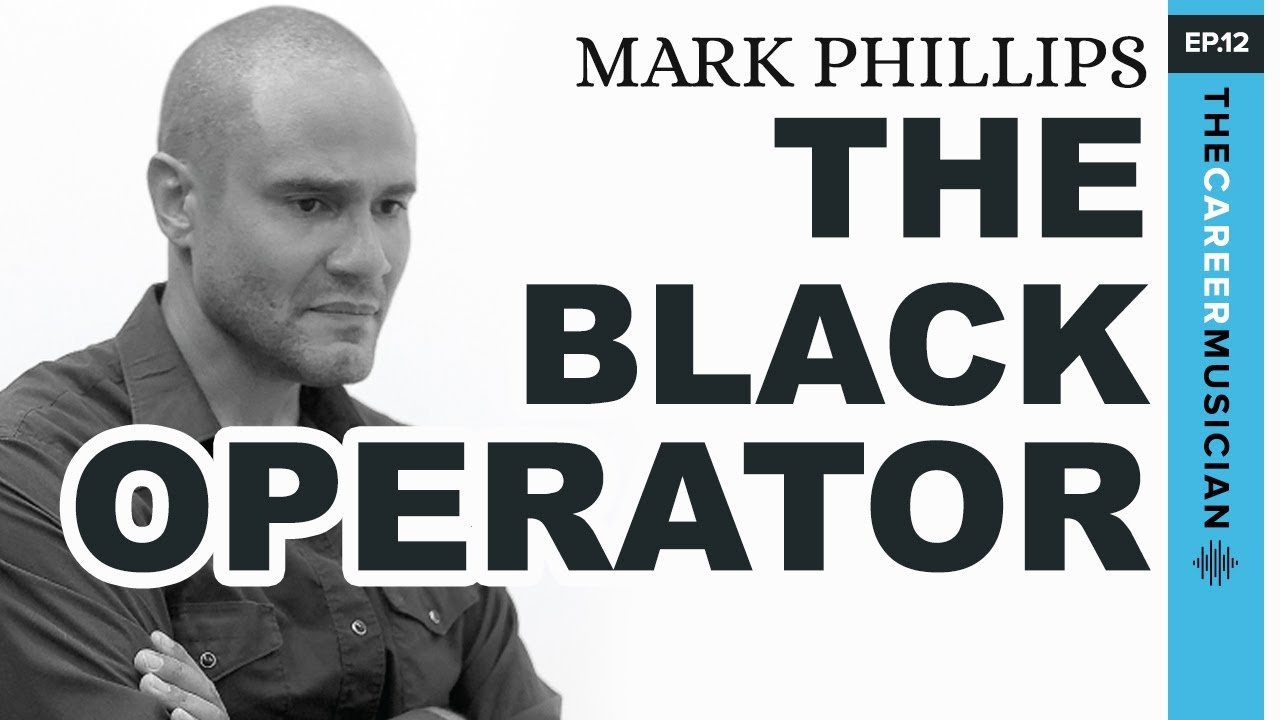
You learned how to make music. Nobody taught you how to make a living making music.
Mark Phillips grew up in a military family outside Washington, DC, and was into Beethoven and Black Flag at the same time. He toured as a punk guitarist in 18 countries and 48 states, from dive bars to stadiums. Then he became a full-blown composer, with credits on shows like The Amazing Race, Survivor, The Apprentice, Undercover Boss, Big Brother and American Idol, plus Muppets Most Wanted.
In Episode 12 of The Career Musician, Nomad and Mark talk about how a punk rock guitar player goes from guitarist to TV composer, why confidence is a deliverable, and why you cannot afford to ignore publishing. Mark was also deep into his passion project, The Black Operator, an all-star band with members from groups like The Mars Volta, Nine Inch Nails, Suicidal Tendencies and The Shins, plus longtime David Bowie keyboardist Mike Garson.
The 75 dollar a night wake-up call
Mark came to LA in the late 80s after playing a gig with Fishbone, fell into punk bands, toured the world and made a little money. Coming home from a run with 500 bucks in his pocket, he felt like Keith Richards.
Then he pulled up to a college friend's place on tour. Nice neighborhood, nice house, new car. His peer. And Mark was still making the same 75 bucks a night he made five years earlier. He was living his dream, but it clicked that there had to be other avenues and other skill sets he could develop.
Mark's lesson: be awake and open. The signs are there if you are looking for them.
One bullet in the chamber
The best working advice in this episode is about confidence. Mark treats his first pass on any TV cue like it is the only shot he gets.
"I try to view my first pass as a revolver that only has one bullet in it. I get one shot."
Mark Phillips, 13:34
If you know you have one shot from 100 yards, you aim more carefully than if you have a full magazine. That care shows up in how you talk to the client. Hedge on every assignment and, over time, your language loses certainty, and the client notices. That is a weak position.
"Is it F sharp or is it F natural? It's F sharp, period. We're moving on."
Mark Phillips, 15:06
It's not about being a tough guy. Uncertainty invites confusion, and then four or five other people want to chime in. On a scoring stage, one open question to a 60-piece ensemble can turn into an expensive debate. Nomad saw the opposite at the Kennedy Center, where conductor Tim Davies opened the floor for questions exactly once, for one specific cue.
So resolve your issues before you send the file. The conversation you never want to have with a client is "I had a feeling you'd say that." They hired you to be the expert. Everything you do is an audition, and every first pass is one.
Take feedback without taking it to heart
Nomad's rule from his session days: you are there to make the producer's vision come to fruition. Mark added a warning about vocabulary. A word like "edgy" means something different to everybody, so a buzzword is your sign to have a short conversation and get on the same page.
Some feedback you filter. When a drummer on The Black Operator record said, as a compliment, that it reminded him of Soundgarden, Mark's heart sank. He wanted it to sound like nothing anyone had heard. That comment became a turning point: stop being precious and keep moving toward your own sound.
Placements, publishing and the business side
Mark's first sync license came through a music supervisor he met at a festival around 1996, for the film Headless Body in Topless Bar. By his memory, that one placement paid more than he made that whole month, more than a show in front of 10,000 people. Huge signpost. He went looking for more placements, and one connection led to the next.
He also learned to watch the paperwork. A composer on one job offered to put his own publishing company on Mark's cue sheet, without mentioning he would collect half of Mark's publishing money. A call to BMI set him straight: you do not need someone else's publishing company. Later he opened several of his own for different purposes, and he sees them as assets you can build, pass on or sell.
Nomad was blunt about the musician who says "I don't really do the publishing part." Alert. You must understand how publishing and royalties work. Start with your PRO, whether that is ASCAP, BMI or SESAC. They are your advocates. Make Music Your Business.
Ask the "dumb" question
Mark worked full time, went to engineering school and studied film and TV composition at UCLA at the same time, with a newborn at home. Not enough time is not an excuse.
On day one of film scoring class, the teacher was explaining theme and repetition through a classical composer's symphonies. Mark was lost, so he raised his hand: so it's kind of like the first five AC/DC albums? The teacher turned pink, then agreed. On the break, he found Mark. He had a show that needed rock guitar worked in with the orchestral music, and that wasn't his wheelhouse.
Weeks later Mark ran low on gas near that teacher's exit and called to say hi. He got invited over, faced fully scored charts he could barely read, kept the small talk going while he studied them, and got the takes. By the end of the season he was composing for the show: The Amazing Race. Mark calls it dumb luck. It was Luck = preparation + opportunity.
Think bigger
When that show went on hiatus, Mark mailed a CD to film composer Christopher Young after one of his guest lectures. Young called him in and asked what he needed. Mark offered to get coffee. Young said no: think bigger. He covered a few months of Mark's bills and gave him two assignments, one of them to find the biggest company placing music in reality shows and lay himself at their doorstep.
Mark connected the dots: producers who had already hired him worked on those same shows. They faxed a letter of introduction, and around 2002 or 2003 he became one of the first outsiders brought into David Vanacore's company. He wrote three test cues that weekend, got a high five, and left with an assignment for Survivor. Work begets work.
"Don't sell yourself short. You never know what's going to happen from one moment to the next, and the only way you're gonna get to those moments is by grabbing the bull by the horns and just going for it."
Nomad, 43:46
The takeaway
Watch for the signs, then act on them. Deliver with confidence, learn your publishing, ask the question everybody else is too cool to ask, and think like a business person, not someone who just needs a gig. As Nomad put it, you are the captain of this ship. Act as if. If you are ready to go after the next opportunity, start with the free Get the Gig guide.
Get the gig. Keep the gig. Build the career.
Watch on YouTube or find every episode on the TCM Podcast page.
Your next step
If this episode lit something up, start with the free Get the Gig Guide. It is the career side of being a professional musician, the part nobody taught you.
Got an audition coming up? Grab Nomad’s Audition Secrets playbook, because everything you do is an audition.
And share this one with a musician who needs to hear it.
TCM listeners and readers get 20% off rehearsal studio time at PA Rehearsal Studios with code TCM20.