Put the Music First: Fishbone’s Norwood Fisher on Advice for Young Bands (Episode 62)
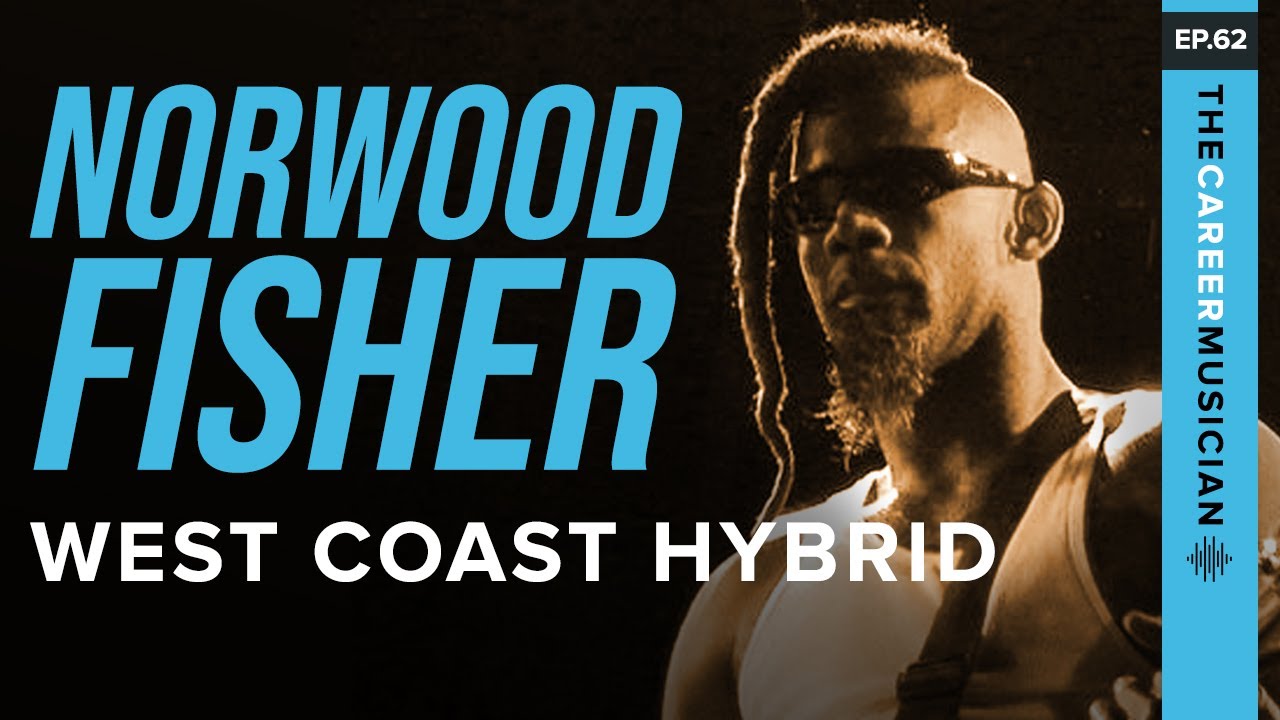
You learned how to make music. Nobody taught you how to make a living making music.
Norwood Fisher has been playing with the same guys since he was 14. He is a founding member of Fishbone, the band that formed in Los Angeles in 1979 and fused funk, punk, ska, metal, reggae and soul into something nobody could put in a box. In Episode 62 of The Career Musician, he and Nomad talk about where that sound came from, life on the road, and the business calls every band has to make.
If you are looking for real advice for young bands from someone who has lived four decades of it, here is what stood out.
Your listening habits are your sound
Fishbone never sat down and decided to mix genres. Norwood says the music simply reflected how they listened. Nobody cared about genre. If it was a dope song, whether it was Funkadelic, Gary Numan or the Dead Kennedys, that is how they shared music with each other.
He grew up with a hippie rocker dad who played Jimi Hendrix and Sly and the Family Stone, a mother who leaned toward gospel and R&B, and, at age eight, a cousin who traded him a bass, an amp and an entire rock record collection for the weight set Norwood got for Christmas. He heard the Who's farewell tour with the Clash opening. He listened to black radio, then rock radio, then Dr. Demento on Sunday nights, where the really out-there stuff lived.
Here is the part worth noticing. The band mostly did analytical listening. They did not learn their favorite records note for note, because then everybody else's sound influences you too much and your own voice can't come out. The exception was Rush. They learned Permanent Waves and Moving Pictures top to bottom, and Nomad said he could hear it in Fishbone's unison guitar and bass lines.
Decide early whether you're an artist
Nomad always draws a line between being a sideman and being an artist, and Norwood knew which one he was from a very specific moment. The band was just playing covers for fun in the rehearsal room when one of the guys told them they had better get to writing their own songs if they wanted to be anything. They shifted gears that day.
Songs came from everyone, and nobody judged an idea in advance. They just went at it. They also trusted the A&R man and producer who signed them to Columbia. There were frustrations, but Norwood says the band couldn't be what fans love without his input, and everything Norwood does as a producer now is built on what he learned there. That takes Humility, the H in ETHOS: knowing when someone else's ears make your music better.
"My idea of being an artist is to allow for the expression to be pure for the day. The 100% or more that I'm giving you is based on how I feel right now. Not three years ago, not when I wrote the song, not yesterday."
Norwood Fisher, 28:57
He isn't mad at bands that play it exactly like the record. That's just not his idea of being an artist. Fishbone, in his words, are fans of freedom.
The road: enjoy it, but put the music first
Fishbone's first real tour, after the Columbia record came out, went from LA to New York and back. At that very first show, Living Colour opened, before Corey Glover was in the band. They played New York so much people thought they were from the East Coast. They were direct support on the Beastie Boys' Licensed to Ill tour, one of those whole-world-is-watching moments, then traded headlining tours with Primus and played Lollapalooza in 1993. He called it rock and roll summer camp backstage.
His memories of other bands are almost all good. He doesn't have a lot of complaining to do about anybody. But when Nomad asked for advice for anyone heading out on tour, he was honest. Not everybody is built for the road. Entertainment makes it easy to fall into excess, he did his share, and the traps all feel good.
"Put the music first. Make sure that the music is why you're doing it. Not for the party, not for the adoration. And if you get a little far out there, you can always bring it back to the music."
Norwood Fisher, 40:50
He has lost friends, and has friends stuck in cycles they can't work their way out of. Sometimes you don't know you can't get out of the bag until you're trapped in it.
Talk to a lawyer, then be honest about your strengths
On record deals, Norwood's first piece of advice was simple: always talk to a lawyer. Talk to a few if you can. Get outside advice, and find knowledgeable people who will give it to you free. He called the 360 deal model absurd and said he would not suggest anybody follow that path. He came up in a time when people looked for more ownership, not less, and he has always admired artists who owned their own labels, like Eazy-E. He owned a label himself once and admits he didn't run it well.
So his advice is to look at being self-empowered, then be honest with yourself about whether you have the kind of mind it takes to run a business. Sometimes it is better to hand the day-to-day to someone else. That is Objectivity, and it is what Make Music Your Business really means: knowing what you're great at and building the rest of the team around it.
"You may be sitting on a masterpiece, but you're not the one to bring it to the world."
Norwood Fisher, 44:24
That's why you need a circle: people you trust, people smarter than you, people who will tell you no. Honesty beats somebody telling you what you want to hear. He wondered out loud whether anyone around some of the greats was allowed to say "that's crazy." Being put on a pedestal may feel good, but it doesn't give you reality.
Take care of the body that plays the gig
Norwood was a chain smoker until 1997. A bassist friend and drinking buddy would drag him out running at dawn after a long night, and eventually it stuck. He traded one addiction for another, running, and started working out with a crew of friends that included Flea. Years earlier, on a 1986 tour with the Red Hot Chili Peppers, he overheard Flea and Anthony Kiedis talking about doing a thousand sit-ups a day. So for his 40th birthday he worked up to a thousand push-ups and a thousand sit-ups, starting at five push-ups with 20-second breaks. Years later Flea told him they had never done a thousand of anything. They took him for a ride, and he's grateful, because it pushed him toward something he never would have imagined.
Nomad's point: most of what musicians do works against your body. Hunched over an instrument, hours on stage with a strap on your shoulder, 14-hour drives, no sleep. Energy is part of ETHOS for a reason. You have to be able to show up.
The takeaway
Norwood's final word was for the next generation: try to do something that hasn't been done before. Fishbone is still chasing that, and he says it's nice to have an unattainable goal ahead of you because it keeps you motivated.
Build your sound from what you really listen to. Put the music first. Get a lawyer, get honest people around you, and know where your strengths end. And if you are working toward your next opportunity, grab the free Get the Gig guide.
Get the gig. Keep the gig. Build the career.
Watch on YouTube or find every episode on the TCM Podcast page.
Your next step
If this episode lit something up, start with the free Get the Gig Guide. It is the career side of being a professional musician, the part nobody taught you.
Got an audition coming up? Grab Nomad’s Audition Secrets playbook, because everything you do is an audition.
And share this one with a musician who needs to hear it.
TCM listeners and readers get 20% off rehearsal studio time at PA Rehearsal Studios with code TCM20.